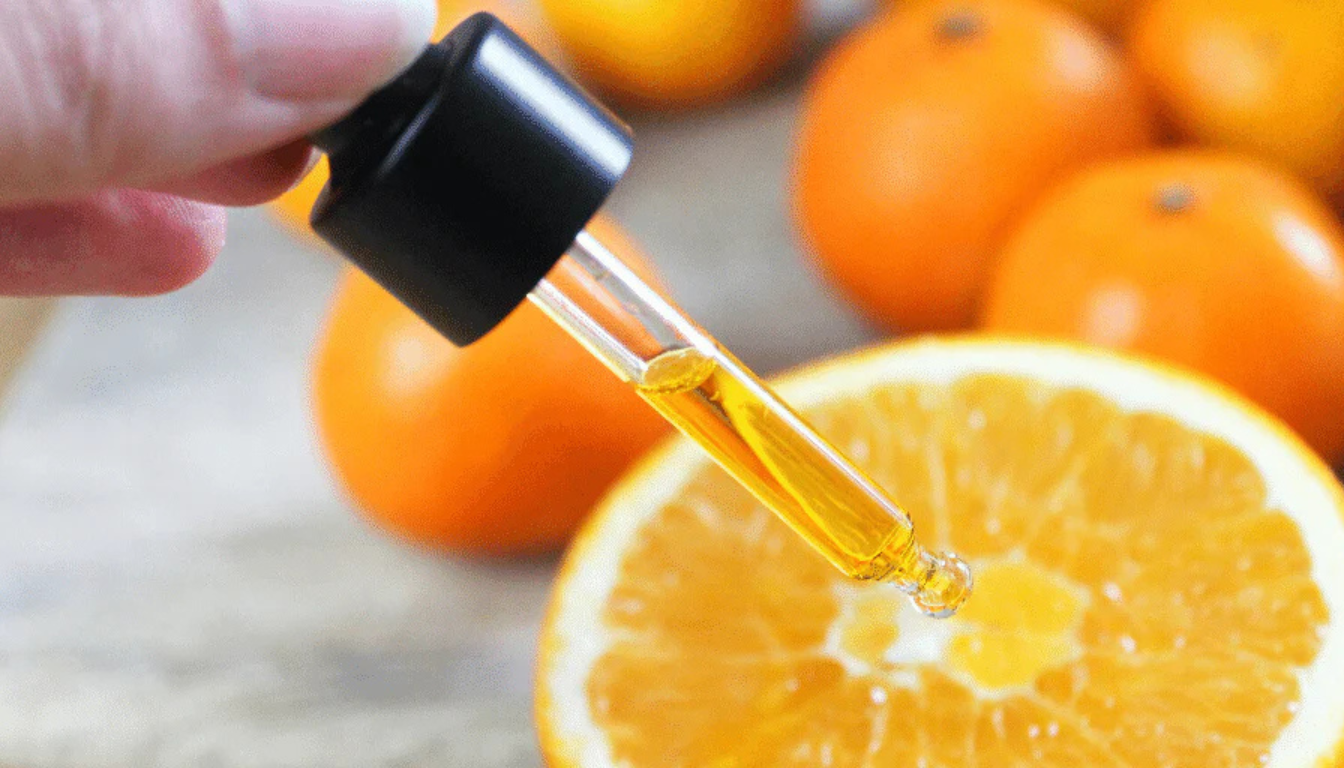
Vitamin C (ascorbic acid) is a water-soluble vitamin that your body cannot produce. It’s essential for:
- Collagen production (skin, cartilage, tendons, blood vessels)
- L-carnitine and neurotransmitter synthesis
- Supporting immune health
- Acting as an antioxidant and regenerating vitamin E
- Enhancing iron absorption
A deficiency leads to scurvy, causing fatigue, bleeding gums, and slow wound healing.
Recommended Intake
- Men: 90 mg/day
- Women: 75 mg/day
- Smokers: +35 mg/day
Rich Food Sources
Citrus fruits, strawberries, kiwi, bell peppers, broccoli, tomatoes, and Brussels sprouts.
Cooking and long storage reduce vitamin C content.
Deficiency and Risk Groups
Although rare in developed countries, deficiency can occur in:
- Smokers or those exposed to secondhand smoke
- People with limited diets
- Infants fed cow’s milk (unfortified or boiled)
- Individuals with malabsorption or chronic illnesses
Research and Health Benefits
Immunity and Common Cold
Routine vitamin C doesn’t prevent colds in most people.
Regular intake (≥ 200 mg/day) may slightly shorten symptoms and benefit those under intense stress or cold exposure.
Heart Health
Diets high in fruits and vegetables rich in vitamin C are linked with lower cardiovascular risk, but supplements alone show no clear benefit.
Eye Health
Vitamin C may help reduce risk of cataracts and slow age-related macular degeneration (AMD), though evidence is mixed.
Cancer Prevention
Observational studies show possible protective effects, but clinical trials don’t confirm that vitamin C supplements prevent cancer.
Supplements and Safety
- Common supplement: ascorbic acid — equally effective as other forms.
- Upper Limit: 2,000 mg/day
- High doses may cause diarrhea, nausea, and cramps.
- Very high intake can increase risk of kidney stones or iron overload in susceptible people.
Possible Interactions
Large doses may interfere with:
- Certain chemotherapy or radiation treatments
- Statins and niacin therapy
Key Takeaway
Focus on whole foods rich in vitamin C instead of high-dose supplements.
Supplements can be useful for people who can’t meet their needs through diet, but excess intake offers no proven disease-prevention benefits.